Local Harvests, Local Tables
Agriculture has played a foundational role in shaping Weber County’s economy, landscape, and community life from the mid-nineteenth century to the present. When Mormon settlers arrived in the Weber Valley in the late 1840s, they established irrigation systems and cooperative farming practices that transformed arid land into productive fields. These early agricultural efforts supported settlement growth and laid the groundwork for regional trade, particularly as the area developed into a transportation hub.
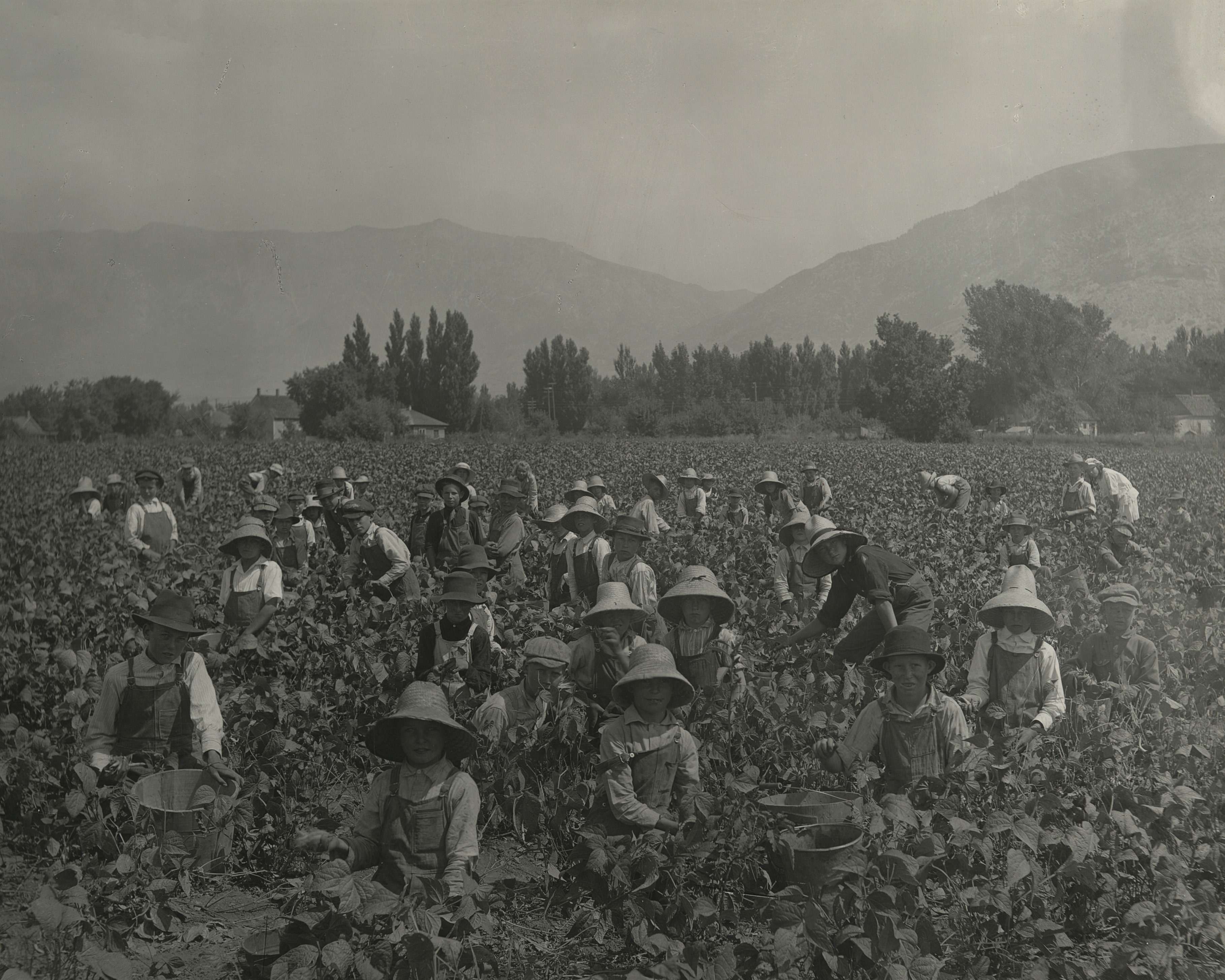
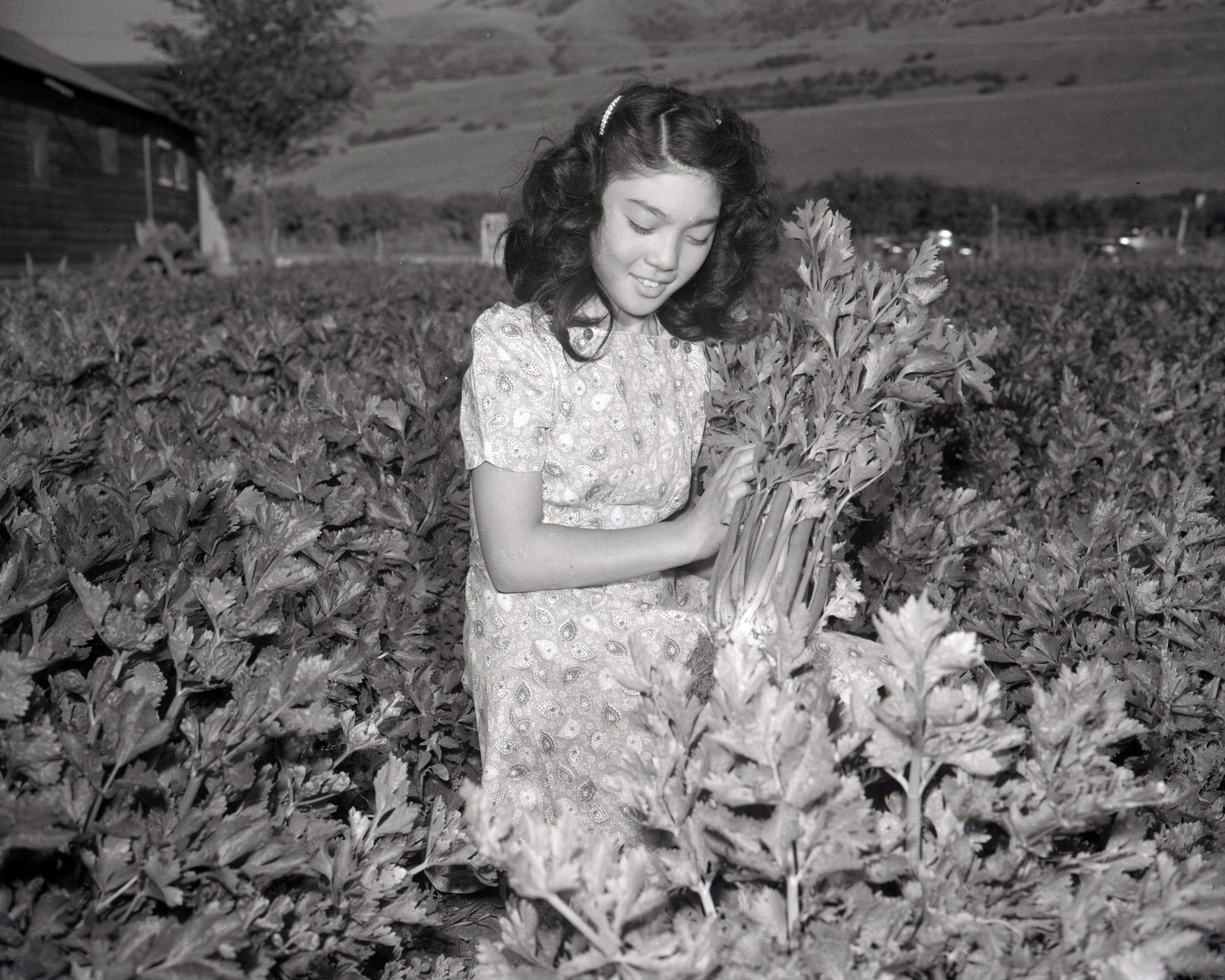
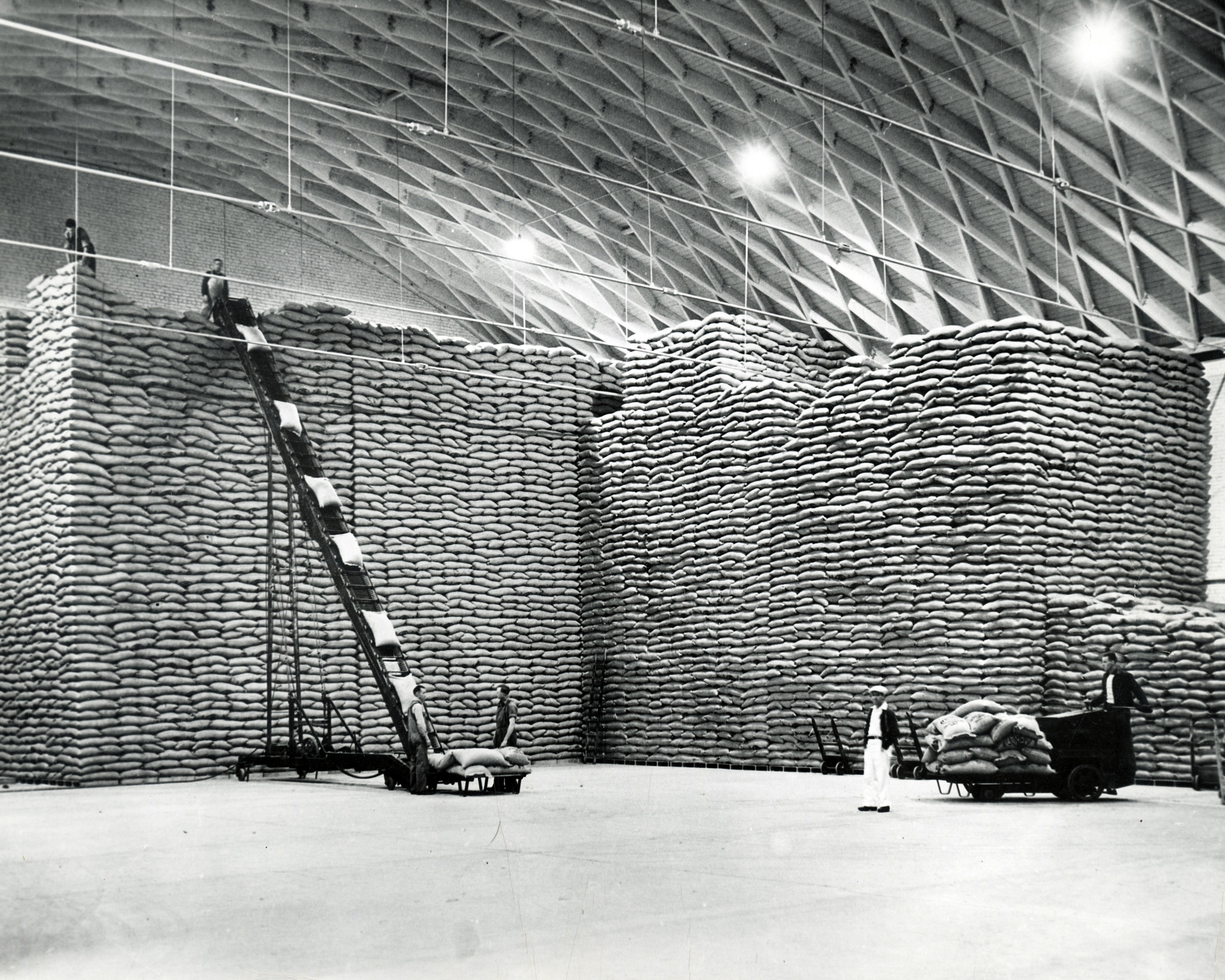
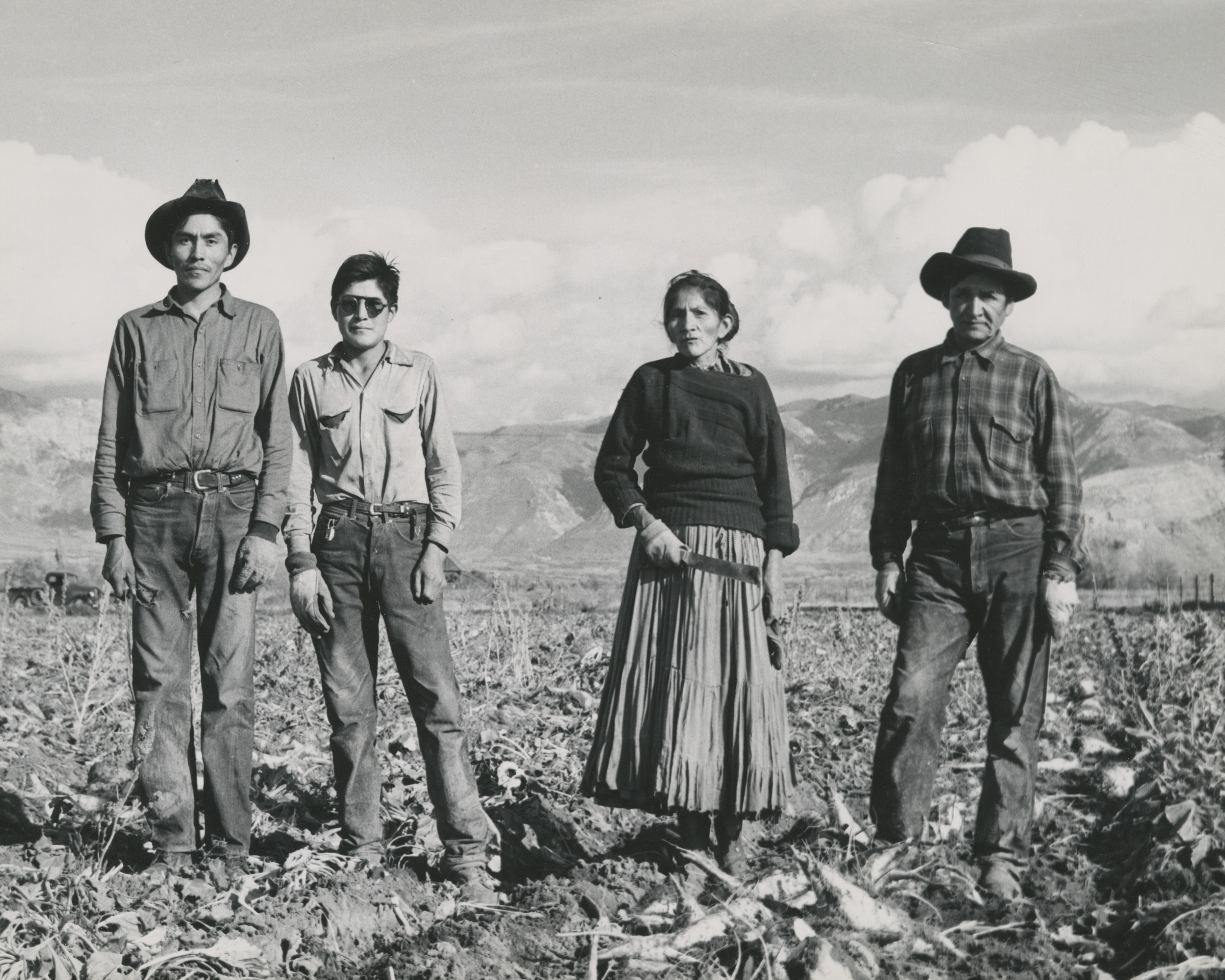
During the late nineteenth and early twentieth centuries, Weber County farms diversified beyond subsistence crops. Sugar beets, grains, alfalfa, fruits, and vegetables became major commodities, supported by beet processing facilities and access to rail lines in Ogden. Dairy farming and livestock—especially cattle and sheep—also expanded, supplying meat, milk, and wool to northern Utah and beyond. Family-run farms dominated the landscape, with agricultural labor often shared across generations and communities.
Farming in Weber County was closely tied to industrial and urban growth. As Ogden developed into a railroad and manufacturing center, local farms provided food for a growing population while benefiting from improved transportation and markets. Seasonal labor, including immigrant and migrant workers, became essential to planting and harvest cycles, adding cultural diversity to the region’s agricultural history.